Advanced Engineering Insights: A Comparative Analysis of HICLOVER Waste Incinerators
By : Admin -
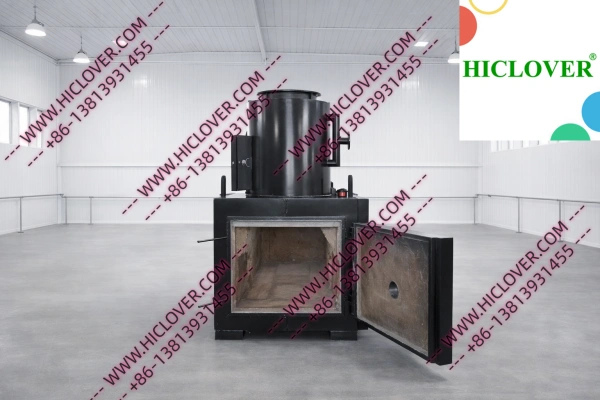
Advanced Engineering Insights: A Comparative Analysis of HICLOVER Waste Incinerators
Introduction and Overview of HICLOVER Waste Incinerators
In the current era of industrial transformation, the development and deployment of waste incinerators have been central to evolving waste management practices. HICLOVER waste incinerators, known for their engineering reliability and adherence to strict industrial standards, exemplify the intersection of advanced technology and operational excellence. These systems incorporate incinerator for incinerator maintenance services, incinerator for waste incineration technology, and incinerator for incineration plant design in every component, ensuring that performance parameters, such as the *medical incinerator operating temperature standards* and controlled temperature ranges of 850°C to 1100°C, are consistently met. The integration of these standards, aligned with WHO and EU emission frameworks, underlines the technical rigor in their design and operation. Alongside reliable performance metrics, HICLOVER has established a practice of combining innovative PLC automation, containerized modular systems, and mobile plug-and-play designs to improve adaptability—meeting modern needs like decentralized waste management in crisis zones and ensuring energy recovery systems that contribute to carbon emission reduction pressure.
At the heart of HICLOVER’s design philosophy lies engineering reliability, which stems from their extensive in-house manufacturing capability and robust supply chain stability. These incinerators deliver precision combustion control through dual combustion chamber systems and advanced digital automation, supporting both fixed installations and remote site operations, including remote mining and oil camps. This comparative analysis elaborates on the technical aspects, operational methodologies, and comparative benefits that HICLOVER’s waste incinerators deliver in a rapidly evolving industrial landscape.
Technical Foundations and Engineering Innovations
A deep dive into the technical foundations of HICLOVER waste incinerators reveals a system engineered for rigorous industrial applications. The combustion process is meticulously designed to ensure that high temperature retention and thorough oxidation are maintained consistently across various waste profiles. Through the dual chamber design, one chamber facilitates primary combustion while a secondary chamber focuses on the secondary oxidation required to reduce emissions and meet stringent regulatory standards. These temperature control capabilities are further complemented by sensor-driven PLC automation, ensuring that even subtle fluctuations in the combustion process are promptly addressed. The incinerators also adhere to industrial temperature standards that specify minimum and maximum operating ranges, underlining the significance of precise temperature regulation in preventing the generation of harmful by-products.
This technical reliability is strongly supported by a choice between dry and wet scrubbers—both designed to effectively capture particulate matter and neutralize acidic emissions. Engineers often compare the merits of a dry scrubber versus a wet scrubber within various industries, balancing the trade-offs between maintenance, performance, and cost. Detailed standards, such as those found in medical+incinerator+secondary+chamber+temperature+standard studies, offer a technical reference to these configurations and illustrate the evolving priorities in emission controls.
Moreover, the integration of PLC automation versus manual control methods ensures that operators have the flexibility to tailor the combustion process dynamically. The sophisticated automation algorithms help maintain optimal combustion conditions, thereby reducing the risk of incomplete combustion and suboptimal performance. In addition to these innovations, HICLOVER emphasizes the value of engineering experience by incorporating feedback from field operations into continuous product improvements—driving enhancements in both control software and physical components. These measures not only ensure compliance with international regulatory frameworks but also contribute to global infectious disease preparedness by guaranteeing that waste incineration is both effective and environmentally responsible.
Comparative Analysis: Fixed vs Containerized and Mobile Incinerators
The choice between fixed installations and containerized, mobile incinerators is central to modern waste management strategies. HICLOVER stands at the forefront of this debate by offering systems that cater to both traditional and innovative deployment models. Fixed incinerators are typically favored in urban centers and industrial hubs where stable infrastructure supports continuous operations. However, for remote and crisis zones—such as humanitarian camps and decentralized waste management locations—mobile, containerized incinerators offer distinct operational advantages. HICLOVER waste incinerators, with their containerized modular systems, provide rapid deployment capabilities and adaptability to varying local conditions, ensuring that waste is efficiently processed even in fluctuating operating environments.
This comparative analysis extends into the operational aspects of control systems. Traditional systems relying on manual control methods are increasingly being eclipsed by precision automation through PLC systems, which enhance performance consistency and reduce the need for extensive operational oversight. The transition from manual to digital control is particularly evident when considering environmental safety measures and emission standards. The flexibility of a mobile plug-and-play design, integrated in HICLOVER’s latest models, has proven invaluable in remote mining and oil camps where the available infrastructure may be minimal. Such adaptability not only addresses operational exigencies but also aligns with global trends like ESG compliance and supply chain resilience, enabling operators to maintain high standards even under unpredictable circumstances.
Furthermore, the comparison between scrubber configurations—specifically dry versus wet scrubbers—illustrates the importance of customizable solutions. While dry scrubbers require less water usage, wet scrubbers offer enhanced particulate removal, thereby catering to industries with varying emission profiles. This level of comparison underscores the technical versatility of HICLOVER waste incinerators, allowing clients to select the system that best aligns with their emission control requirements. The ability to customize chamber volumes and integrate advanced digital monitoring systems further reinforces the competitive edge of HICLOVER over trading companies, emphasizing the benefits of factory direct supply and engineering expertise.
Engineering Reliability and Global Operational Capabilities
HICLOVER waste incinerators represent a culmination of engineering precision, factory manufacturing capability, and a stable supply chain. These systems are designed to meet the demands of global operations, providing a factory direct supply that ensures consistent quality and immediate after-sales support. HICLOVER’s engineering experience allows for customization in chamber volumes, enabling clients to tailor incinerator capacities according to the specific waste streams they encounter. Whether dealing with general solid waste or high-risk medical waste, these incinerators are engineered to maintain robust performance standards even under extreme conditions. Their remote site suitability has been particularly noted in applications at crisis zones and humanitarian camps, where urgent waste management is critical.
The dual combustion chamber design plays a pivotal role in sustaining high operational reliability. The first chamber initiates the combustion process, while the second chamber ensures complete oxidation, thereby mitigating the risk of harmful emissions. This two-stage process is optimized through digital automation systems that leverage PLC automation to adjust parameters in real time. This level of precision is backed by rigorous testing and adherence to international standards found in emission frameworks established by bodies such as the WHO and EU. Facilities employing these incinerators benefit from design features that prioritize high temperature retention and controlled combustion dynamics, essential for meeting modern industrial demands.
Significantly, the strategic integration of containerized modular systems has bolstered HICLOVER’s market position globally. The mobile plug-and-play design simplifies transportation and installation, enhancing the flexibility of waste incineration plant design and reducing lead times for project deployment. Industry stakeholders benefit from the extensive engineering experience inherent to HICLOVER’s design process, which ensures an optimized balance of efficiency and environmental compliance. A technical review on the operational metrics of these systems reveals that factory manufacturing insights, combined with a stable supply chain, solidify HICLOVER’s reputation as a reliable supplier, especially when compared to trading companies that might lack direct engineering oversight.
For further technical details on factory manufacturing capabilities and tailored engineering solutions, technical experts can refer to insights available on the HICLOVER website at https://www.hiclover.com/, where comprehensive data on system components, customization options, and performance metrics are detailed.
Future Directions in Waste Incineration: ESG Compliance, Decentralized Management, and Digital Automation
The future landscape of industrial waste management is being shaped by evolving regulatory pressures and the need for decentralized waste management systems. HICLOVER waste incinerators are at the forefront of integrating sustainability and technological advancements in line with ESG compliance and carbon emission reduction pressure. The transition towards digital automation in industrial equipment has fueled significant enhancements in incinerator performance, enabling remote monitoring and real-time adjustments that maintain optimal combustion conditions. These automated systems reduce the risks associated with human error and enable consistent adherence to advanced industrial standards.
At the same time, global infectious disease preparedness has underscored the importance of efficient waste treatment and reliable incineration in crisis zones and humanitarian camps. HICLOVER’s systems demonstrate an immune response to evolving challenges by incorporating mobile, containerized designs that can be deployed rapidly to areas lacking established infrastructure. This decentralized approach to waste management not only alleviates logistical bottlenecks during emergencies but also ensures that hazardous wastes are processed under controlled conditions, thereby reducing the potential for environmental contamination.
From an engineering perspective, the emphasis on remote site suitability and digital automation has compelled manufacturers to enhance PLC automation and integrate advanced sensor networks. The incorporation of digital automation enables granular control over combustion parameters, which is pivotal in optimizing fuel use—especially in multi-fuel systems that operate on diesel, LPG, and natural gas. This multi-fuel capability ensures operational flexibility and adaptability to various resource availabilities, making HICLOVER incinerators particularly attractive for remote mining and oil camps where energy recovery systems play a critical role in sustaining operations.
Furthermore, the evolving landscape of incineration plant design increasingly highlights the importance of customizable solutions that balance efficiency with environmental stewardship. In a world where supply chain resilience and global export capacity are becoming indispensable, HICLOVER’s commitment to factory direct supply provides a competitive advantage. The ability to swiftly customize chamber volumes and select between optional wet or dry scrubbers allows end users to align system performance with precise operational demands. This is demonstrated in scenarios where the incinerator for waste incineration technology has to dynamically respond to fluctuating waste compositions and emergent environmental regulations.
Innovative engineering and operational flexibility merge to form the core strategic benefits of HICLOVER waste incinerators, making them a robust solution for stakeholders aiming not only for compliance but also for long-term operational efficiency.
Practical Applications and Case Studies in Diverse Operating Environments
Real-world applications of HICLOVER waste incinerators span a diverse range of industries and operational contexts. In medical facilities, for instance, facilities implementing high-standard incineration solutions must adhere to rigorous temperature control parameters—including specifications that align with medical incinerator operating temperature standards—to safely dispose of pathological and clinical wastes. The dual combustion chamber mechanism ensures effective decomposition of hazardous substances and significantly reduces the risk of secondary emissions. These technical prerequisites conform with both national and international guidelines, offering a high level of engineering reliability.
In comparison, industries engaged in the management of general solid waste have leveraged fixed installations with robust control systems tailored for continuous operation in metropolitan and industrial zones. For these applications, the integration of digital automation and PLC control systems ensures that operational consistency is maintained, even during periods of high throughput. Moreover, remote site applications—such as in decentralized waste management setups for crisis zones—benefit from the modular design of HICLOVER incinerators, which allows for swift relocation and scalability according to current needs.
Critical to these applications is the selection between mobile and fixed incinerators. For example, at remote mining operations and oil camps where infrastructure is limited, HICLOVER’s containerized mobile incinerators provide an effective solution by combining portability with robust digital control. Operators can opt for a mobile plug-and-play system that can be rapidly deployed and easily maintained onsite through comprehensive incinerator for incinerator maintenance services. This operational flexibility is paramount in environments where traditional, fixed systems are not feasible.
Case studies across different regions indicate that HICLOVER’s engineering approach—characterized by advanced automation, dual combustion chambers, and effective emission control strategies—has resulted in significant reductions in downtime and maintenance costs. The technical merits of these systems are supported by extensive field data, highlighting improvements in energy recovery and reductions in overall environmental impact. Additionally, the ability to customize each unit to specific waste streams, whether by adjusting chamber volume or selecting appropriate scrubber configurations, reinforces HICLOVER’s market leadership.
In high-pressure environments where stringent emission standards are a must, the comparative advantages of HICLOVER waste incinerators become especially pronounced, providing stable operational performance even under fluctuating conditions.
Operational Efficiency, Supply Chain Stability, and Global Market Positioning
A critical factor in sustaining